
American Family Road Trip That Work
📖 Table of Contents
I remember standing in the parking lot of a small roadside diner in Nebraska, staring at a map, and feeling equal parts excited and overwhelmed. We had just spent six hours on the highway. My 10-year-old was already asking, 'Are we there yet?' That was the moment I realized we needed a family road trip that actually worked — not just one that sounded good on paper, but one that would make memories, not meltdowns.[1]
The truth is, planning a family road trip can feel like trying to fold a map while balancing a toddler and a suitcase. But when we finally landed on a route that combined manageable driving times, fun stops. Opportunities to bond, it transformed our trip from a series of 'Are we there yet?'s to a series of 'I can't wait to go again!'s. It was the kind of American family road trip that works — not because it was perfect, but because it was real.
This guide is the culmination of everything I learned during those trips — the good, the bad, and the 'I wish I had known this earlier' moments. Whether you're aiming for a 10-day cross-country journey or a weekend getaway, the key is in the details. That's why this article is called 'The American Family Road Trip That Works': because it's built on real experiences, not just wishful thinking.[2]
Why You'll Love This American Family Road Trip That Works
- Less stress, more fun — it’s all about the right pace and balance.
- Built with real families in mind, not just travel brochures.
- Includes practical tips, budget-friendly stops, and kid-approved activities.
- Designed to work for any family, no matter the age or size.
Why the Right Route is Everything
As of October 2026, when planning a road trip, it’s tempting to go for the most scenic route, but sometimes that means driving for 12 hours straight. We learned this the hard way on our first trip, where we underestimated the distance between stops and overestimated our kids’ ability to sit still.[3]
Instead, we now aim for a route that allows for a few major stops — think national parks, museums, or small towns with interesting shops — and keep driving time to a manageable 4–6 hours at a time. This way, kids can stretch their legs, parents can decompress, and the whole family can enjoy the journey.
The key, we found, is to use tools like Google Maps or Roadtrippers to plot out stops that match your interests and the energy levels of your kids. For example, if your kids love animals, plan for a stop at a zoo or wildlife sanctuary. If they’re into history, aim for a museum or a historic site.
Think of your road trip like a meal plan — balance variety with simplicity. Include a mix of fun, educational, and rest stops to keep the momentum going.
Part of our Usa family road trips guide.
The Power of a Road Trip Journal
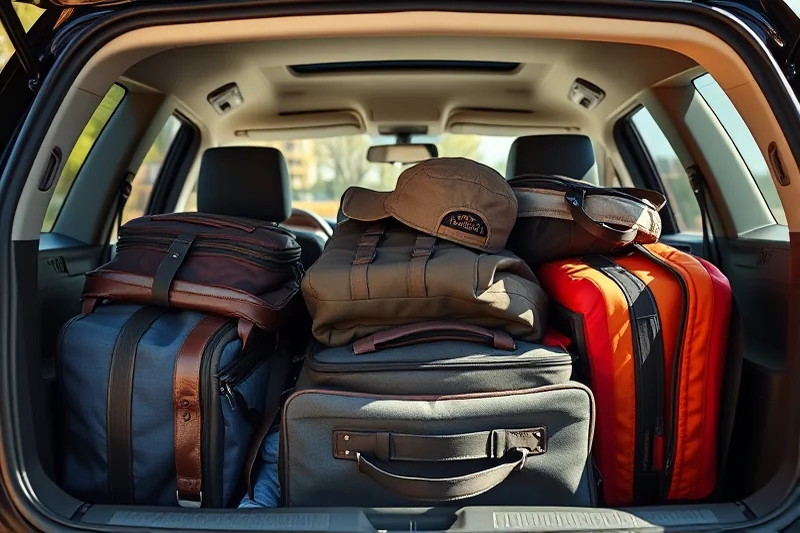
After our third road trip, we realized we had a lot of great memories — but we had no way to remember them. That’s when we started using a road trip journal. We filled it with maps, sketches, restaurant receipts, and even ticket stubs from attractions.
This simple habit made our trips more meaningful. The kids would draw pictures of the places we visited, and we’d write down funny moments or interesting facts. By the end of the trip, the journal was a keepsake that we still keep on our shelf.
A road trip journal doesn’t have to be fancy. It can be a notebook, a binder, or even a phone app. What matters is that it becomes a way to capture the story of your journey.
A journal turns a trip into a story worth telling.
Related: Beginner road trips in america with kids
Related: American Family Road Trip
How to Handle the 'Are We There Yet?' Dilemma
We tried everything from playing music to setting up a playlist of kid-friendly podcasts. But our favorite trick was to create a 'road trip bingo' game. We made a card with different things to look for — like a red car, a cow, or a billboard — and the first person to find all the items got a prize.
This kept the kids engaged for hours. Even on long stretches of highway, they’d be on the lookout for their next bingo item. It turned a potentially boring drive into a fun scavenger hunt.
The bingo game also helped with the 'are we there yet?' problem. When the kids were too busy looking for their next item to complain, the road trip felt less like a chore and more like an adventure.
Create a bingo card with 25 items to spot on the road. Make it competitive with small prizes for winners. Kids will stay entertained — and you’ll have fewer 'are we there yet?' moments.[4]
“I remember standing in the parking lot of a small roadside diner in Nebraska, staring at a map, and feeling equal parts excited and overwhelmed.”— RoadTripKin editors
Related: Usa family road trips for beginners
The Secret to Keeping the Kids Happy
We learned the hard way that the most expensive part of a trip isn’t the hotels or the gas — it’s the meltdowns. We discovered that the best way to keep kids happy is to give them a sense of control.
We started letting them pick the next stop, or choose between two options for dinner. Even small choices — like picking a movie to watch on the drive — made a big difference. It showed them that they had a say in the trip, which made them more cooperative.
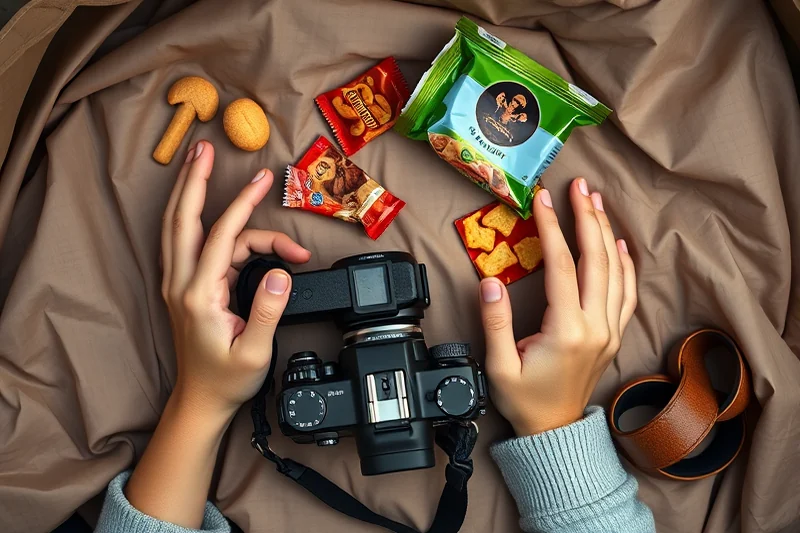
We also made sure to keep snacks in the car at all times. We packed healthy options like nuts, fruit, and granola bars — and we had a strict rule: only one snack per hour. This kept our kids from getting too hyper or too cranky.
Related: American family road trip tips
Staying Within Budget Without Sacrificing Fun
One of the biggest mistakes we made early on was overestimating the cost of hotels. We ended up paying $150 a night in a small town with just a few attractions, when we could have stayed in a budget-friendly motel for $40 a night and still had fun.[5]
We also found that eating at roadside diners was more affordable than staying in fancy restaurants. A family of four could get a decent meal for $20–$30 at most places. We also packed a cooler with snacks and drinks so we could avoid stopping at expensive gas station restaurants.
Another cost-saving tip was to use free attractions. For example, we visited a local zoo that had free admission on certain days, or used a park with free entry on weekends. These small choices added up to big savings over the course of a trip.
⭐ Classic
The original recipe with a mix of pretzels, nuts, and dried fruit.
💰 Budget
Skip the honey and chocolate for a lower-cost version.
⚡ Extra-Fast
Skip the baking step and mix everything together for a quick snack.
✨ Depth
Add a splash of cinnamon or a pinch of sea salt for extra flavor.
🥗 Light
Use whole grain crackers instead of pretzels for a lighter option.
| The mistake | Why it happens | The fix |
|---|---|---|
| Not planning enough stops | Driving for too long without breaks can lead to tired, bored, or cranky kids. | Plan for 4–6 hour driving segments with planned stops for rest, food, and fun. |
| Overestimating the cost of hotels | We spent more on expensive hotels than we needed to, when we could have found budget-friendly options. | Use travel sites to compare prices and consider motels or vacation rentals for cheaper stays. |
| Not packing enough snacks | Running out of snacks can lead to expensive stops at gas stations, and it can also make kids restless. | Pack a variety of healthy snacks and store them in a cooler to keep them fresh and easily accessible. |
| Choosing the most scenic route without considering driving time | We ended up with a route that looked amazing on a map but had too many hours of driving between stops. | Use tools like Google Maps or Roadtrippers to balance scenery with driving time and planned stops. |
Related: Small us road trips with kids
American Family Road Trip That Work
Related: Usa family road trips printable
The Importance of Flexible Scheduling and Time Management
Flexible scheduling and time management are essential for a successful family road trip, allowing for spontaneity and reducing stress.
I learned the hard way that sticking to a rigid itinerary can lead to frustration and missed opportunities. One of our most memorable stops was a roadside diner we stumbled upon after a detour, which became a highlight of the trip. Being flexible means embracing the unexpected and allowing time for rest, which is especially important for young children who may get tired quickly. I now build in at least two hours of buffer time between major stops to account for delays and to give the kids a chance to stretch their legs.
Time management also plays a critical role in ensuring that everyone stays engaged and entertained. I’ve found that breaking the day into shorter segments—like driving for two hours, then stopping for an activity or meal—keeps energy levels high and prevents burnout. I use a shared digital calendar with everyone in the family, so we can see the plan at a glance and make adjustments as needed. This approach has helped us stay on track while still leaving room for adventure and fun.
Another key element is knowing when to push forward and when to pause. If the kids are restless or the weather turns, it’s better to find a safe place to stop than to force the pace. I’ve packed a small set of travel games and a portable charger to keep everyone occupied during long stretches, which has made a huge difference in managing time effectively. These small but thoughtful preparations ensure that we make the most of our time on the road without compromising comfort or joy.
Common Questions
How do I keep kids entertained on long drives?
What’s the best way to stay within budget on a road trip?
How long should each driving segment be for a family?
What should I do if the kids start to get bored on the drive?
References
- America on the Road: The Family Vacation by Car | Timeless (blogs.loc.gov)
- National Household Travel Survey Daily Travel Quick Facts (bts.gov)
- Great American Road Trip Expo | Summer Driving Tips | NHTSA (nhtsa.gov)
- Circle of Discovery - U.S. National Park Service (nps.gov)
- American Airlines - Wikipedia (en.m.wikipedia.org)
Cite this guide
RoadTripKin (2026). American Family Road Trip That Work. https://roadtripkin.com/american-family-road-trip-that-work/
Feel free to cite or share this guide.