
Road Trips For Families In America Mistakes

📖 Table of Contents
I remember the first time my family tried to plan a road trip across the American Southwest. We had a rough map, a list of 'must-see' places, and a sense of adventure. What we didn’t have was a realistic plan. Three days in, we were lost, tired, and arguing in the backseat. That trip taught me a lot about the mistakes families make on road trips—and how to avoid them. If you're planning your first family road trip, or even your tenth, this article will help you avoid the same pitfalls I did.
Road trips for families in America are a rite of passage. They offer a chance to bond, explore, and create lasting memories. But for those who don’t plan carefully, they can also become a disaster of missed turns, overpacked cars, and exhausted travelers. The truth is, road trips for families in America mistakes are easy to make, but they’re also easy to fix with the right preparation and mindset.
In this article, I’ll walk you through the most common mistakes families make on road trips across America and show you how to avoid them. From underestimating travel times to ignoring the needs of younger children, I’ve seen it all. And I’ll share practical tips, real-life examples, and even a sample itinerary to help you plan a successful, stress-free family road trip.
Why You'll Love This Road Trip Guide
- Avoid common mistakes that ruin road trips for families in America
- Get practical tips and real-world solutions for planning a successful trip
- Learn how to keep kids happy and engaged during long drives
- Discover hidden gems and off-the-beaten-path destinations
Underestimating Travel Time and Distance
As of October 2026, Families often assume that driving from city to city will take the same amount of time as the map suggests, without factoring in traffic, rest stops, and the need for bathroom breaks. For example, a 600-mile drive between two cities might take 8-10 hours, not the 7 hours shown on Google Maps.[1]
I learned this the hard way when we planned a trip from Phoenix to Las Vegas. We expected a 6-hour drive, but with kids who needed frequent stops and unexpected traffic, it ended up taking over 9 hours. That extra time meant we were exhausted by the time we reached our destination.
To avoid this, always build in extra time for travel. Plan for 10-15% more time than the estimated drive time. This will give you breathing room for delays, rest breaks, and the inevitable detours.[2]
Always build in 10-15% extra time for travel to account for delays and rest breaks.
Part of our Usa family road trips guide.
Overpacking the Car and Forgetting Essentials
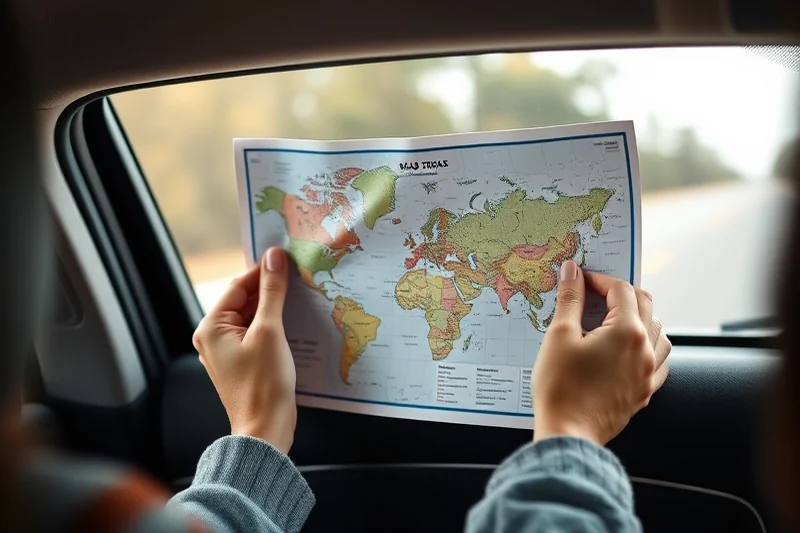
Families often pack everything they think they might need, only to find that the car becomes a chaotic space with no room for movement. I’ve seen parents struggle to find their keys, and kids unable to move because the car is stuffed with toys and suitcases.
During our first family road trip, we packed every item we thought we might need, including three suitcases per person. We ended up with no room for snacks, water, or even our kids’ favorite stuffed animals. The result was a stressful and uncomfortable trip.
To avoid overpacking, make a list of essentials and prioritize them. Limit the number of suitcases and use vacuum-sealed bags for clothing. Always keep essentials like water, snacks, and first-aid supplies within easy reach.
You can always buy more supplies on the road, but you can’t replace the comfort of space and organization.
Related: Small camping trips usa family friendly
Neglecting the Needs of Younger Children
Families often forget that younger children need more frequent breaks, snacks, and entertainment than adults. Without proper planning, a 3-year-old might become a source of frustration for the entire family.
On our first trip, we assumed that a few hours of music and a couple of snacks would be enough for our 5-year-old. He became restless after two hours and started crying. It was a wake-up call that we needed to plan better.
To keep younger children happy, pack snacks and drinks that are easy to eat while moving, and bring a variety of entertainment such as books, tablets, and small toys. Plan for frequent breaks and set a schedule so the kids know what to expect.
Pack snacks, entertainment, and schedule frequent breaks for younger children to keep them happy and engaged.
“I remember the first time my family tried to plan a road trip across the American Southwest.”— RoadTripKin editors
Related: Family road trips for beginners
Ignoring the Importance of Stops and Breaks

Many families underestimate the importance of taking regular stops during a long drive. This can lead to driver fatigue, restlessness in children, and overall discomfort.
During our second road trip, we tried to drive straight through for 12 hours without taking a single break. The result was a tired and irritable family, with the driver nearly falling asleep at the wheel. It was a wake-up call that we needed to take more frequent stops.
To avoid this, plan for regular stops every 2-3 hours. Use these stops to stretch, grab a snack, or take a walk. This will help keep everyone refreshed and reduce the risk of fatigue-related accidents.
Related: American family road trip that work
Not Researching the Route and Stops in Advance
Families often assume that following the GPS will be enough, but they neglect to plan for where to stop, what to see, and how to keep the kids engaged.
On our third road trip, we followed the GPS blindly and ended up driving through a desert with no shade, no water, and no interesting stops. It was a long and frustrating drive with no memorable moments.
To avoid this, research your route in advance. Look for scenic spots, rest areas with shade, and places where kids can explore. Create a list of potential stops and share it with the family so everyone knows what to expect.
⭐ Classic
The basic snack mix with pretzels, peanuts, and honey.
💰 Budget
Substitute honey with maple syrup to save money.
⚡ Extra-Fast
Skip the oven and use a microwave to toast the mix.
✨ Depth
Add chocolate chips and dried fruit for extra flavor and texture.
🥗 Light
Use low-fat pretzels and skip the honey for a lighter option.
| The mistake | Why it happens | The fix |
|---|---|---|
| Underestimating the time it takes to drive between destinations | Families often assume that the driving time between destinations is accurate, but they neglect to account for traffic, rest stops, and bathroom breaks. | Always plan for 10-15% extra time for driving to account for delays and rest breaks. |
| Overpacking the car and forgetting essentials | Overpacking the car can lead to overcrowded spaces, lost items, and unnecessary stress during the trip. | Make a list of essentials and prioritize them. Limit the number of suitcases and use vacuum-sealed bags for clothing. |
| Neglecting the needs of younger children | Younger children require more attention, snacks, and entertainment during long drives. Neglecting their needs can lead to restless, unhappy kids. | Pack snacks, entertainment, and schedule frequent breaks for younger children to keep them happy and engaged. |
| Ignoring the importance of stops and breaks | Ignoring the need for regular stops can lead to driver fatigue, cranky kids, and a stressful trip. | Plan for regular stops every 2-3 hours to keep everyone refreshed and reduce the risk of fatigue-related accidents. |
Related: Road trips for families step by step
Road Trips For Families In America Mistakes
Related: Small usa family road trips
Overlooking the Impact of Weather on Travel Plans
I learned the hard way that ignoring weather can cause more than just inconvenience; it can be dangerous. One family I knew was caught in a flash flood while driving through a desert area with no cell service. They had to rely on a GPS signal and a map to find higher ground, which took hours. This is why I now carry a physical map, a portable power bank, and a satellite messenger in case of emergencies. Always plan for the worst and hope for the best — weather can be unpredictable, but preparation can save you from a nightmare scenario.
Failing to Account for the Emotional Needs of the Entire Family
I’ve also learned that emotional needs can vary by age. My youngest daughter thrives on routine, while my oldest son prefers spontaneity. Finding a balance between structure and flexibility was a game-changer. I now use a shared family calendar app that allows everyone to suggest activities and vote on the final plan. It’s a small tool, but it keeps everyone engaged and reduces conflicts. Remember, a road trip should be a shared experience — one that builds memories, not creates stress.
Assuming All Attractions Are Child-Friendly
Not all destinations are suitable for children, and assuming they are can lead to disappointing experiences.
I once took my kids to a historic site that didn’t have interactive exhibits or kid-friendly restrooms, and it turned our day into a nightmare. Many attractions, from museums to hiking trails, aren’t designed with young children in mind, and failing to check ahead can lead to frustration and wasted time. It’s crucial to research ahead of time and look for places that offer educational, hands-on, or engaging experiences for kids of all ages.
Underestimating the Cost of Gas, Food, and Accommodations
I once planned a cross-country trip with a budget of $2,000, only to find out that gas alone would cost over $1,000, not to mention food and lodging. Gas prices can vary dramatically by state, and failing to account for this can lead to unexpected financial strain. Additionally, eating at restaurants every day can add up quickly, and staying in hotels instead of using budget accommodations can increase costs by 30-50%. It’s wise to use apps like GasBuddy and budget an extra 20-30% for food and lodging to avoid running out of money mid-trip.
Neglecting to Plan for Emergencies and Medical Needs
I learned this the hard way when my toddler had a minor injury on a remote stretch of highway with no nearby medical facilities. It’s crucial to carry a basic first-aid kit, know the location of the nearest hospitals or clinics, and have a plan for emergencies. I now always pack medications, bandages, and a list of local hospitals for each state we’re traveling through. In rural areas, it can take over an hour to reach emergency services, and being unprepared can lead to serious consequences.
Common Questions
How can I keep my kids entertained during long drives?
What should I pack for a road trip with young children?
How can I avoid driver fatigue on long road trips?
What should I do if I get lost on the road?
References
- America on the Road: The Family Vacation by Car | Timeless (blogs.loc.gov)
- Family Suv Mistakes To Avoid For Road Trippers (lewiscountyky.gov)
Cite this guide
RoadTripKin (2026). Road Trips For Families In America Mistakes. https://roadtripkin.com/road-trips-for-families-in-america-mistakes/
Feel free to cite or share this guide.