
Beginner Camping Trips Usa Family Friendly
📖 Table of Contents
I still remember the first time my family set up a tent in the middle of a national forest, the air thick with pine scent and the sound of a distant stream. It was a chilly October evening. We had no idea what we were doing, but as the fire crackled and the stars popped above us, I realized that this was not just an escape from daily life—it was a gateway to something deeper. Beginner camping trips in the USA for families don’t have to be daunting, and they can actually be some of the most rewarding adventures you’ll ever take together.[2]
The key to a successful family camping trip lies in preparation and simplicity. When I first took my kids camping, I thought we needed a massive tent, a gourmet meal plan, and a guidebook the size of a dictionary. What I quickly learned is that the best trips are the ones that are easy, stress-free, and filled with laughter. There are countless beginner-friendly campsites across the country that welcome families with open arms, offering amenities like electricity, picnic tables, and even playgrounds.[3]
If you're thinking about trying beginner camping trips in the USA for your family, know that it’s a chance to unplug, reconnect, and discover the beauty of nature together. Whether you're pitching a tent in a state park or staying in a cozy cabin, the goal is to have fun, learn new skills, and create memories that will last a lifetime. The journey doesn’t have to be perfect—it just has to be real.[4]
Why You'll Love This Adventure
- A chance to bond as a family while experiencing the outdoors together
- Low-cost and accessible options for beginners
- Opportunities to learn new skills like fire-building and stargazing
- A way to disconnect from digital distractions and reconnect with each other
Choosing the Right Campsite for Families
As of October 2026, for beginners, I recommend looking for campsites that offer basic amenities like electricity, running water, and nearby restrooms. These are often called 'primitive' or 'frontcountry' sites, and they are the perfect starting point for families. I've personally stayed at several campsites in national forests and state parks, and the ones that allow for tent camping, vehicle camping, and even cabin rentals are ideal for first-timers.[1]
One of the most important factors to consider is the level of wilderness. If your family is new to camping, a site with nearby trails, picnic areas, and playgrounds will make the experience more enjoyable. I once took my kids to a campsite in Colorado that had a small lake right next to the site. We spent most of our time swimming and playing on the beach instead of worrying about setting up a tent.[5]
Another thing to keep in mind is the size of the campsite. A small, quiet site can be more relaxing, while a larger site with more amenities is better for families who want to explore during the day and relax at night. I always check the campsite’s website or app before arriving to confirm the size, layout, and available facilities.
Look for campsites that are close to short, family-friendly trails. This way, you can explore during the day and still have time to relax in the evening.
Part of our Usa family road trips guide.
Packing Essentials for Family Camping Trips
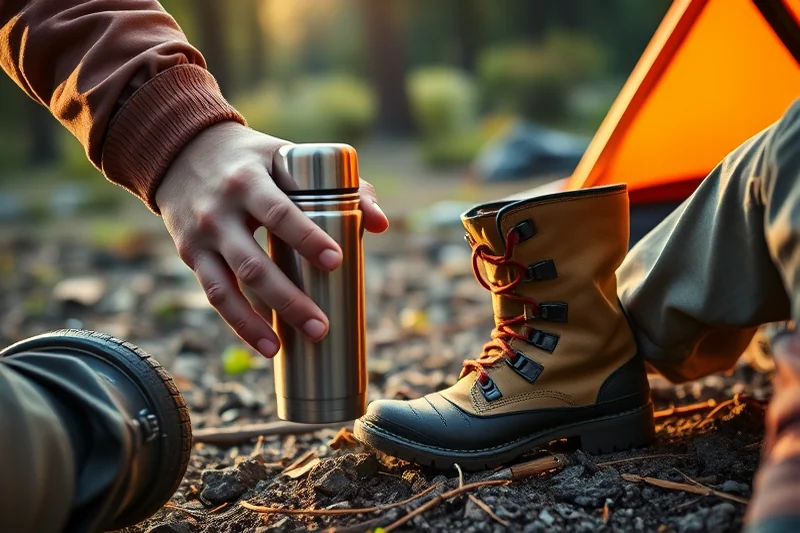
When I first started camping with my kids, I thought I needed to bring an entire warehouse of supplies. What I quickly learned is that a well-thought-out list of essentials can cover all your needs without becoming overwhelming. I always start with the basics: a tent, sleeping bags, a sleeping pad, and a small lantern for lighting.
Food is another essential part of any camping trip. We've found that prepping meals in advance and bringing simple, easy-to-cook items works best. I’ve packed dehydrated meals, trail mix, and even a small portable camping stove for cooking on the go. It’s surprising how much more fun your kids can be when they’re excited about the food.
Don’t forget about the little things that make camping more comfortable. I always bring a portable chair, a portable shower, and a small cooler. These items might seem small, but they can make a huge difference in your comfort level and the overall experience of the trip.
Pack smart, not heavy—focus on essentials that make your life easier in the wild.
Related: Modern american family road trip
Setting Up Camp with Kids
When I first tried setting up a tent with my kids, it was a disaster. Everything was tangled, and I felt like I was explaining the process to a group of monkeys. But once I learned to make it a game, things changed. I started by letting the kids help with simple tasks like tying knots or holding poles while I set up the tent.
I’ve found that involving the kids in the setup process not only makes it faster but also teaches them valuable life skills. They learn how to work together, follow instructions, and even take pride in their contributions. I once had my daughter help me string a clothesline between two trees, and she was thrilled with the idea of hanging her clothes to dry.
Another tip I’ve found useful is to set up the tent in a spot that’s easy to reach and not too far from the rest of the campsite. This makes it easier for the kids to navigate around and helps prevent confusion. I’ve even created a simple map of the campsite with my kids, marking where the tent is, where the food is stored, and where the bathroom is located.
Make setting up camp a fun, interactive experience by assigning simple tasks to your kids and turning them into a team activity.
“I still remember the first time my family set up a tent in the middle of a national forest, the air thick with pine scent…”— RoadTripKin editors
Related: Us family road trips mistakes
Making the Most of Your Time in Nature
I’ve taken my kids on several camping trips, and each time we’ve found new ways to enjoy the outdoors. One of my favorite activities is stargazing. We always bring a small telescope and spend the night looking at constellations, which my kids find absolutely fascinating. It’s an experience that they’ll remember for years to come.
Another way to make the most of your time in nature is to take advantage of nearby trails. I’ve found that even a short hike in the morning can be the highlight of the trip. We’ve had several memorable moments on trails, like spotting a deer or hearing a distant owl call in the evening.
I also love cooking over a fire, and it’s something that my kids have come to enjoy. We’ve made s’mores, roasted marshmallows, and even cooked simple meals on a portable camping stove. It’s a great way to bond and have fun while enjoying the great outdoors.
Related: Easy usa family road trips for beginners
Leaving No Trace and Being Respectful
When I started camping with my kids, I made it a point to teach them about Leave No Trace principles. I explained that even the smallest actions, like leaving trash or disturbing wildlife, can have a lasting impact on the environment. My kids now understand the importance of being responsible and respectful when we’re out in nature.
I’ve found that involving the kids in the cleanup process is a great way to reinforce these principles. We always make sure to pick up after ourselves and leave no trace of our presence. My kids have even started to take pride in this, and they often remind me if we leave something behind.
Another important lesson is respecting wildlife and their habitat. I always teach my kids to keep a safe distance from animals and never to feed them. It’s a simple rule, but it helps protect both the animals and the people who are out in the wild.
⭐ Classic
The timeless s'more with graham crackers, chocolate, and marshmallows.
💰 Budget
Skip the chocolate and use peanut butter for a more affordable version.
⚡ Extra-Fast
Make the s'mores directly over the campfire without baking for a quicker treat.
✨ Depth
Add a layer of caramel or nuts to the s'mores for a richer flavor.
🥗 Light
Use low-fat chocolate and skip the marshmallows for a lighter, healthier option.
| The mistake | Why it happens | The fix |
|---|---|---|
| Packing too much food and not enough space | Overpacking can make it difficult to find things and can lead to clutter and stress. | Pack only what you need, and use containers to organize your food and supplies. |
| Setting up the tent in a wet or windy area | This can make the setup process difficult and may even damage the tent. | Choose a flat, dry area with good drainage for your tent. |
| Not checking the weather forecast | Weather can change quickly, and being unprepared can lead to discomfort or even danger. | Check the weather forecast before your trip and be prepared with appropriate clothing and gear. |
| Forgetting to bring a first aid kit | Injuries can happen even on the most well-planned trips, and being unprepared can put your family at risk. | Always bring a first aid kit and know how to use it in case of an emergency. |
Related: Essential family road trips in the usa
Beginner Camping Trips Usa Family Friendly
Related: Fast usa family road trips for beginners
Common Questions
What should we bring for our first family camping trip?
How can we keep our kids entertained during the day?
What should we do if it rains during our trip?
Is it safe to camp with young children?
References
- How to Plan Your Own Camping Trip | Campus Recreation | CSUSM (csusm.edu)
- How to Travel With Kids (And Best Family-Friendly Destinations in the ... (extension.usu.edu)
- Camping | NC State Parks (ncparks.gov)
- Camping Trips | Recreation Wellness Center | CSUSB (csusb.edu)
- Camping with Kids - Camping (U.S. National Park Service) (nps.gov)
Cite this guide
RoadTripKin (2026). Beginner Camping Trips Usa Family Friendly. https://roadtripkin.com/beginner-camping-trips-usa-family-friendly/
Feel free to cite or share this guide.