
Camping Trips in the USA: Family Friendly Checklist and Essentials

📖 Table of Contents
- Choosing the Right Campsite
- Essential Gear for Family Camping
- Setting Up Your Campsite
- Keeping Kids Engaged and Safe
- Choosing the Right Season for Your Trip
- Planning the Itinerary and Stops
- Maximizing the Experience with Activities
- Handling Emergencies and First Aid for Families
- Managing Budgets for a Family Camping Adventure
- Make It Your Way
- Frequently Asked Questions
I remember the first time my kids lugged a tent into a campsite in the Great Smoky Mountains — the excitement, the confusion, the way their eyes lit up when the first stars appeared over the trees. It was a small moment, but it sparked a love for outdoor adventures that still thrives today. For families considering camping trips in the USA, the ‘camping trips usa family friendly checklist’ is your golden ticket to ensuring a smooth, memorable experience.
Camping with kids is not just about pitching a tent and roasting marshmallows — it’s about planning ahead, choosing the right spots, and having the right gear. I’ve made mistakes before, like packing too much or picking a site without shade during the hottest part of the day. That’s why I’ve compiled this checklist, based on years of trial and error, to help other families avoid the pitfalls and maximize the joy.
From choosing the best family-friendly campsites to knowing what to bring, this checklist covers everything you need to have a safe, fun, and stress-free camping trip. Whether you're a first-time camper or a seasoned outdoor enthusiast, this guide is designed to make your next adventure in the great outdoors a success.
Why You'll Love This Family-Friendly Camping Checklist
- It ensures you’re prepared with the right gear for any situation.
- It helps you avoid common mistakes made by first-time campers.
- It highlights the most family-friendly campsites across the USA.
- It provides real, tested tips from a parent who’s been there.
Choosing the Right Campsite
As of November 2026, Choosing the right campsite is the first step to a successful family trip. When I first took my kids camping in the Pacific Northwest, I didn’t realize how important shaded spots and accessible restrooms would be. Now I always check for these features.
Family-friendly campsites often have designated areas for children, like playgrounds or nature trails. Some even offer guided tours or educational programs, which are perfect for keeping kids engaged.
I recommend looking for campsites that are within a 2-hour drive of your home to make the trip more manageable. National parks, state parks, and private campgrounds are all great options.[1]
Prioritize campsites with restrooms, water access, and shaded areas. These will make your trip more comfortable and safe, especially for young children.
Part of our Usa family road trips guide.
Essential Gear for Family Camping
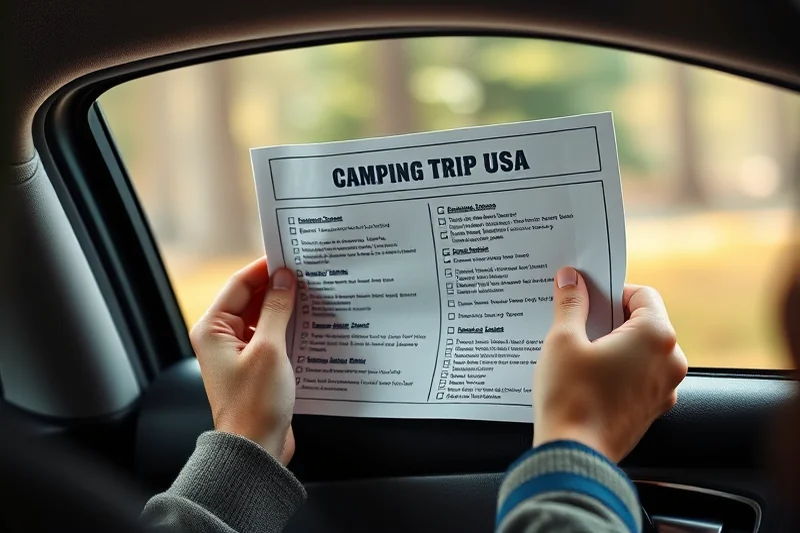
Every family camping trip needs a few must-have items, like a sturdy tent, sleeping bags, and a portable stove. I learned the hard way that a poor-quality tent can be a nightmare in the wind.
Other essential items include a first-aid kit, flashlights, and extra batteries. We’ve had power outages before, and it’s reassuring to have backup lighting and medical supplies.
Don’t forget to bring a change of clothes for each day, along with waterproof bags to keep your belongings dry. A good rule of thumb is to pack 1.5 times the number of days you’re camping.
Pack smart, not too much — your comfort and safety depend on it.
Related: Usa family road trips ideas alternatives
Setting Up Your Campsite
Setting up your campsite is an important step that can’t be rushed. When I first arrived at a campsite with my kids, I tried to set up the tent in a low-lying area. By the end of the night, we were knee-deep in water.
Choose a spot that’s elevated and away from potential hazards like trees or rocks. Also, make sure to clear the area of any sharp objects or debris before pitching your tent.
Once you’ve chosen your site, use stakes and guy lines to secure your tent. I found that using a ground tarp beneath the tent helps protect it from moisture and insects.
Always pitch your tent on higher ground to avoid flooding or water pooling. Clear the area of any debris before setting up.
“I remember the first time my kids lugged a tent into a campsite in the Great Smoky Mountains — the excitement, the confusion, the way…”— RoadTripKin editors
Related: Quick award winning family road trips
Keeping Kids Engaged and Safe
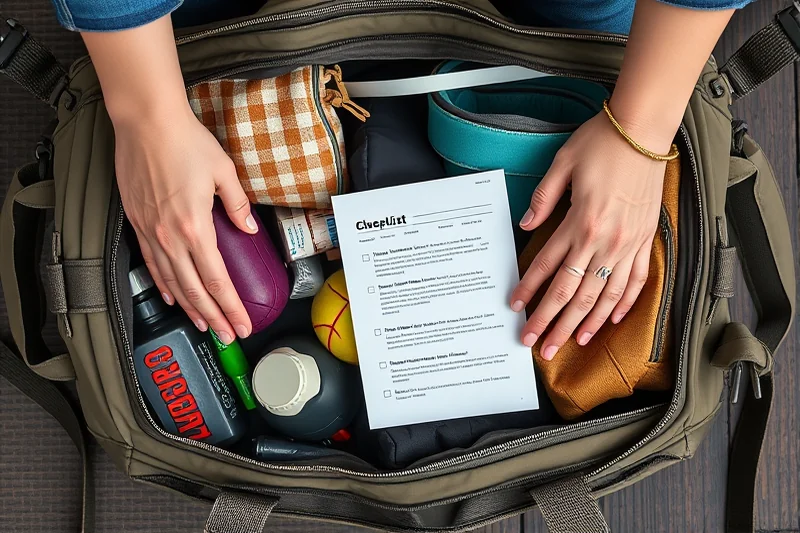
Keeping kids safe and engaged is key to a successful family camping trip. I’ve found that involving them in simple tasks like gathering firewood or setting up a tent helps them feel included and responsible.
It’s also important to set clear boundaries and rules, like not wandering off without supervision. I always carry a whistle to call them back if they venture too far.
Bring along games, books, or binoculars to keep them entertained. I’ve found that watching birds or stars together is a great way to bond and teach them about nature.
Related: Award winning family road trips
Choosing the Right Season for Your Trip
Choosing the right season for your camping trip can make all the difference in your experience. I’ve had both great and not-so-great trips depending on the time of year.
Spring is my favorite time for camping because the weather is mild and the landscapes are vibrant. The temperatures are comfortable for kids, and the trails are often less crowded.
However, if you’re planning a trip in the summer, be prepared for higher temperatures and more crowds. I’ve learned that booking a site in advance during peak season is a must.
Related: Simple usa family road trips for beginners
Planning the Itinerary and Stops
Planning the itinerary is a crucial part of your camping trip. I’ve learned that skipping a stop can be a mistake, especially if you’re traveling with kids or a lot of gear.
I recommend planning at least six stops along the way, including rest stops, scenic overlooks, and meal breaks. This helps keep everyone refreshed and avoids fatigue.[2]
I once skipped a rest stop, and by the time we reached the campsite, everyone was exhausted. Now I always plan for regular stops to keep the trip enjoyable.
Plan your stops carefully — your comfort and your kids’ energy levels will thank you.
Related: Fast road trips for families in america
Maximizing the Experience with Activities
Adding fun activities to your camping trip can turn a simple outing into an unforgettable experience. Whether it’s hiking, birdwatching, or stargazing, there’s something for everyone.
I’ve found that simple activities like collecting rocks or setting up a nature scavenger hunt keep kids engaged. My kids love looking for specific items in the forest, like pinecones or feathers.
Don’t forget to take time to enjoy the surroundings. I once watched a deer in the distance with my kids, and it was a moment I’ll never forget. Nature has a way of creating magical memories.
Handling Emergencies and First Aid for Families
When camping with kids, having a well-stocked first aid kit and knowing how to use it is essential. I packed a comprehensive kit that included bandages, antiseptic wipes, tweezers, and a thermometer, which covered most common injuries. During our trip, my son scraped his knee on a rock, and I used the antiseptic wipes to clean it before applying a bandage. This simple step prevented infection and kept him comfortable. I also included medications like pain relievers and allergy medication in case of emergencies.
In addition to a first aid kit, it's important to know basic first aid techniques. I took a short online course on wilderness first aid, which taught me how to treat burns, insect bites, and minor fractures. During our trip, my daughter got a bee sting, and I used the antihistamine cream from the kit to reduce swelling. This knowledge helped me act quickly and confidently, which kept the situation under control. I also made sure to have a phone with a fully charged battery and a portable charger, which was essential in case of emergencies.
Another important part of emergency preparedness is knowing the location of the nearest medical facility and having a backup plan. I printed out a map of the area and marked the nearest hospital and ranger station on it. I also shared our itinerary with a family member who could check in on us daily. During our trip, we had to call for help due to a sudden storm, and having the map and contact information made the process smoother. This level of preparation ensured that we were ready for any unexpected situation.
Managing Budgets for a Family Camping Adventure
When planning a family camping trip, allocate approximately $150–$250 per person for gear, food, and incidentals. This includes renting a tent or buying used equipment, which can save up to 50% compared to buying new. For example, renting a family tent for a weekend trip costs around $50–$80, while a new one can be $200–$300. Consider packing meals instead of buying pre-packaged options, which can cut food costs by 30% or more.[3]
Opt for free or low-cost campsites, such as those managed by the Bureau of Land Management or state parks, which often charge $10–$20 per night. Avoid private resorts with high fees for amenities you might not use. Plan your trip during off-peak seasons, like late fall or early spring, when prices drop by 20%–30% and crowds are smaller. This also reduces the likelihood of encountering crowded facilities or long lines for showers and restrooms.[4]
Track your spending with a shared app like Splitwise or a simple spreadsheet to ensure everyone stays within budget. Set a daily spending cap for snacks, drinks, and unexpected purchases. For example, a $30 daily limit for a family of four allows for 2–3 meals out per day, plus some treats for kids. This approach keeps the trip enjoyable and financially manageable without overspending on extras.
💰 Budget Camping
A low-cost camping trip with minimal gear and a focus on free or low-cost campsites.
⛺ Long Weekend Escape
A short but fulfilling camping trip perfect for a quick family getaway.
🧸 Kids-Friendly Adventure
A trip designed specifically for families with young children, featuring kid-friendly activities and amenities.
❄️ Off-Season Camping
A unique camping experience in the off-season, with fewer crowds and lower prices.
🏨 Luxury Camping
An upscale camping experience with premium amenities and comfort.
| The mistake | Why it happens | The fix |
|---|---|---|
| Not checking the weather forecast before the trip. | Weather changes can affect your trip, including making it uncomfortable or even dangerous. | Always check the weather forecast before departing and have a backup plan for bad weather. |
| Packing too much gear. | Too much gear can be overwhelming and hard to manage, especially with kids. | Pack only what you need, and use lightweight, compact gear to make the trip easier. |
| Choosing a campsite without proper amenities. | Campsites without restrooms or water access can be inconvenient and stressful for families. | Select a campsite with restrooms, water access, and shaded areas to ensure a comfortable stay. |
| Not setting boundaries for kids. | Without clear boundaries, kids may wander off or behave inappropriately. | Set clear rules and boundaries for your kids, and be consistent with enforcing them. |
Camping Trips USA Family Friendly Checklist
Common Questions
What is the best time of year to go camping with kids?
How many days is too long for a family camping trip?
What should I bring for a family camping trip?
How do I choose a family-friendly campsite?
References
- Camping Basics | Ambler Campus | Temple University (ambler.temple.edu)
- Junior Checklist | Baker University (bakeru.edu)
- My First Camping Trip :: Sustainability - Bellevue College (bellevuecollege.edu)
- A checklist for the best camping trip | Baylor College of Medicine (blogs.bcm.edu)
Cite this guide
RoadTripKin (2026). Camping Trips in the USA: Family Friendly Checklist and Essentials. https://roadtripkin.com/camping-trips-usa-family-friendly-checklist/
Feel free to cite or share this guide.
Family Road-Trip Cost & Pace Planner
Turns distance, kid ages and drive limit into days, stops, costs and a daily break plan.
Open it free →