
USA Family Road Trips Itineraries Checklist

📖 Table of Contents
When my family set out on a road trip across the American Southwest, I was certain we'd have a perfect vacation — until we realized we hadn't planned for the 10-minute wait at the Grand Canyon's shuttle. That moment taught me the value of a clear 'USA family road trips itineraries checklist.' Now, after dozens of trips with kids, teens. Even grandparents, I’ve learned that the best journeys are the ones where everyone feels prepared, engaged, and relaxed. A checklist isn’t just a list of things to do; it’s a roadmap to stress-free fun, filled with sensory experiences and real-time adjustments.[1]
Every family has its own rhythm, and a well-structured itinerary helps you balance the unexpected with the planned. I’ve discovered that the most successful trips aren’t the ones with the most attractions, but the ones with the most thoughtful planning. Whether you're heading to the Great Lakes or the Pacific Coast Highway, a checklist that includes accommodation details, kid-friendly activities. Local dining options can be the difference between a chaotic week and a cherished memory.
A USA family road trips itineraries checklist also helps you avoid the common pitfall of overpacking, underpacking, or skipping essential stops. I remember one trip where we missed a must-see national park simply because we didn’t allocate enough time. Now, I always ensure that every destination on my list is backed by realistic driving times, estimated costs, and even a few backup plans for when the weather turns. This approach not only improves the experience but also keeps everyone — kids and adults alike — happy and involved.
Why You'll Love This USA Family Road Trips Itineraries Checklist
- It ensures a smooth, stress-free journey with realistic time and cost planning.
- It includes kid-friendly and senior-friendly suggestions for every stop.
- It helps you avoid overpacking and ensures you have everything you need.
- It provides backup plans for unexpected weather or delays.
The Power of a Pre-Trip Checklist
As of November 2026, before our last road trip, I created a checklist that included everything from car maintenance to snack storage. We checked off items like 'oil change' and 'first aid kit,' and even made a list of kid-approved snacks for each day. This simple step saved us from last-minute stress and made the trip feel more organized.
I recommend printing your checklist and checking off each item daily. It’s a great way to keep the whole family involved and reminded of what’s coming next. You’ll also find it easier to track what’s been done and what still needs to be completed.
One unexpected benefit of the checklist was that it helped us prioritize experiences. When we saw that we had only one day in a city, we chose to skip the museum and head for a nearby lake instead. This flexibility is one of the reasons I love using a checklist — it helps you make the best decisions on the spot.
A physical checklist is easier to reference while on the road. I always bring a folded version that fits in my bag, and we check off items as we go.
Part of our Usa family road trips itineraries routes guide.
Choosing the Right Route and Stops
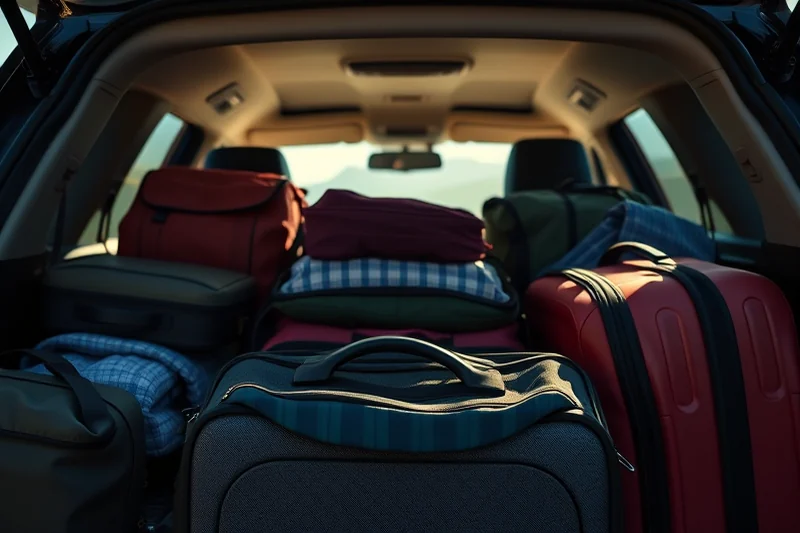
When planning a route, I always consider the driving time between stops and the availability of restrooms and food. For example, on a recent trip through the Pacific Northwest, we made sure to stop every 2-3 hours to stretch our legs and grab snacks. This kept the kids happy and prevented fatigue for the adults.
I also look for a mix of natural and cultural attractions. A stop at a national park can be balanced with a visit to a local market or museum. This variety keeps the trip exciting and prevents anyone from feeling overwhelmed by too much activity.
One of the most important tips I learned was to avoid overloading the itinerary. Too many stops can lead to rushed experiences and tired travelers. I now stick to about 6 stops per trip and ensure each has enough time for exploration.
Variety is the spice of a great road trip — don’t forget to include both nature and culture.
Related: Affordable usa family road trips itineraries routes
Making the Most of Every Stop
I’ve learned that time management is crucial when visiting attractions. For example, when we visited Yellowstone, we arrived early to avoid the crowds and had a much better experience than those who showed up late. We also took a quick walk to the nearest trailhead to get some fresh air and photos.
I recommend planning each stop with a clear goal in mind. Are you looking for a hike, a picnic, or a photo op? Having a purpose helps you make the most of your time and keeps the family engaged.
One of the most memorable parts of our trip was when we followed a local’s suggestion for a hidden waterfall. This unplanned stop turned into one of our favorite moments, showing the value of flexibility and local insights.
I always ask locals or hosts at B&Bs for their favorite spots. Their recommendations often lead to the most unique and unforgettable experiences.
“When my family set out on a road trip across the American Southwest, I was certain we'd have a perfect vacation — until we realized…”— RoadTripKin editors
Related: Usa family road trips itineraries routes guide
Staying Comfortable on the Road

I always make sure we have enough blankets, pillows, and snacks for the car. On long drives, I find it helpful to plan for short stops every few hours. This gives everyone a chance to move around and prevents fatigue.
Another thing I always pack is a first aid kit and a portable charger. These small items can make a huge difference when you're on the road and away from home. I’ve found that a single charged phone can be the difference between getting directions and being stranded.
I also recommend making a playlist for each member of the family. This helps keep the mood light and prevents arguments over music. It’s a small but effective way to ensure everyone feels comfortable and happy in the car.
Related: Usa family road trips itineraries routes tips
Budgeting and Planning Ahead
I always start by estimating the total cost of the trip, including fuel, lodging, and food. This helps me avoid overspending and ensures that we stay within our budget. I also look for deals on hotels, restaurants, and attractions, which can save a significant amount of money.
One of the best ways to save is by choosing budget-friendly accommodations. On our last trip, we stayed at a campsite that was only $50 per night, and it saved us over $200 compared to a hotel. This extra money was put toward experiences like a boat tour or a local festival.
I also recommend setting aside a small emergency fund for unexpected expenses. This can cover things like last-minute hotel changes or sudden weather delays. Having a financial buffer gives you peace of mind and makes the trip more enjoyable.
💰 Budget-Friendly Road Trip
Travel across the U.S. with minimal cost using free attractions, camping, and public transport.
⏳ Long Weekend Getaway
Experience a quick, focused road trip with three days of adventure and a few key stops.
👨👩👧👦 Family-Friendly Road Trip
A trip designed with kids in mind, including interactive museums, parks, and kid-friendly dining.
🍂 Off-Season Adventure
Explore lesser-known destinations with lower prices and fewer crowds during the shoulder season.
💎 Luxury Road Trip
Experience the best of the U.S. with high-end accommodations, private tours, and exclusive dining.
| The mistake | Why it happens | The fix |
|---|---|---|
| Not researching the route or stops in advance. | This can lead to unexpected delays, poor experiences, and wasted time. | Research each stop ahead of time and plan realistic driving times and experiences. |
| Overpacking the car with unnecessary items. | This can make driving uncomfortable and lead to clutter that makes finding things difficult. | Only bring essential items and make space for unexpected needs like extra snacks or supplies. |
| Ignoring the needs of younger children or seniors. | This can lead to unhappy travelers and a less enjoyable experience. | Plan for the needs of all family members, including rest stops, seating, and age-appropriate activities. |
| Not having a backup plan for weather or delays. | Unforeseen weather or traffic can ruin the best-laid plans. | Always have a few backup stops or activities in case of delays or changes in weather. |
Related: Usa family road trips itineraries step by step
USA Family Road Trips Itineraries Checklist
Related: Usa family road trips itineraries for beginners
Preparing for the Unexpected: Emergency Kits and Health Essentials
I once spent a night in a remote national park when a family member got a severe allergic reaction, and our emergency kit with an EpiPen and antihistamines made all the difference. It’s essential to include items like bandages, antiseptic wipes, pain relievers, and a first-aid manual. Don’t forget medications for any family members with chronic conditions, and keep them in a waterproof container. For kids, include things like sunscreen, bug spray, and a portable thermometer. I also pack extra batteries, a flashlight, and a small blanket—just in case.
If you're traveling with young children, include items like a portable high chair, baby wipes, and a change of clothes for every family member. I’ve found that having a small cooler with ice packs helps keep medicines and perishables safe during long drives. It’s also smart to carry a phone charger, a portable power bank, and a small set of tools for minor car repairs. These items are often overlooked but can be lifesavers when unexpected situations arise.
I recommend storing your emergency kit in a waterproof, easily accessible bag that’s not in the trunk. Mine is in the back seat, so it’s within reach in case of an emergency. I also keep a copy of everyone’s medical records on my phone, just in case. It’s easy to underestimate how quickly a situation can go from minor to serious on the road. Taking a few minutes to prepare for the unexpected can make your trip much smoother and safer.
Choosing the Right Accommodations for Families
When choosing accommodations, look for places that offer amenities like free breakfast, laundry facilities, and family-friendly rooms. I prefer motels or hotels with separate sleeping areas, especially if we’re traveling with teenagers. I’ve found that Airbnb options are often more affordable and offer more space, but they may not be ideal for families with young children due to the lack of security features. Always check the reviews for mentions of cleanliness, safety, and child-friendliness.
For long road trips, I recommend staying at places with on-site recreational activities or close proximity to parks and attractions. This way, you can spend less time driving and more time enjoying your trip. I also look for accommodations that allow pets if we’re bringing our dog along. When I stayed at a cabin in the mountains with a fully equipped kitchen, it made the trip more comfortable and cost-effective.
I always book in advance, especially during peak travel seasons. I use a mix of hotel booking apps and travel blogs to find the best deals. I’ve saved up to 30% by booking a week in advance. When in doubt, I choose places with high ratings for family-friendliness and avoid those that are too far from major highways or have unreliable internet. It’s all about finding a balance between comfort, cost, and convenience.
Common Questions
How long should a family road trip be?
What’s the best way to keep kids engaged on a road trip?
How can I save money on a family road trip?
What should be included in a family road trip checklist?
References
- Visit California - Official Travel & Tourism Website (gocalif.ca.gov)
Cite this guide
RoadTripKin (2026). Usa Family Road Trips Itineraries Checklist. https://roadtripkin.com/usa-family-road-trips-itineraries-checklist/
Feel free to cite or share this guide.
Family Road-Trip Cost & Pace Planner
Turns distance, kid ages and drive limit into days, stops, costs and a daily break plan.
Open it free →